How does Polymarket work (and how does it make money)?
Shares, prices, payouts and the order book on Polymarket, the difference between the US app and the global site, and where Polymarket’s revenue comes from.
In this article
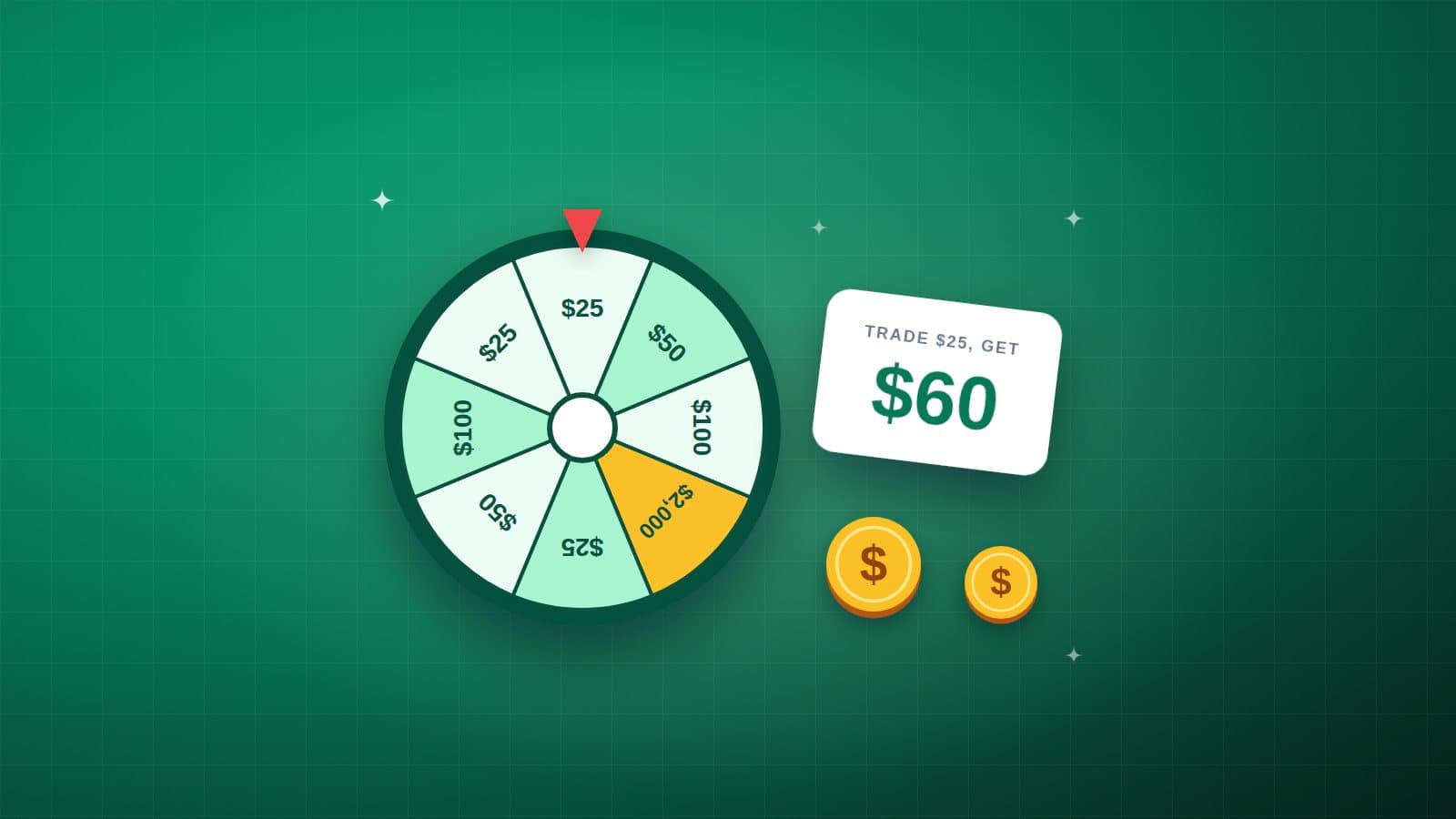
Polymarket is a prediction market: you buy shares in the outcome of a real-world event, priced between 1¢ and 99¢. A share pays $1 if the outcome happens and nothing if it does not, so the price is the crowd's probability. A "Yes" at 35¢ means traders see roughly a 35% chance.
How a trade works
- Choose a market, for example "Who will win the election?" with one share per candidate.
- Buy shares in an outcome at the current price, or place a limit order at the price you want.
- Sell any time before the market closes, at whatever the market pays then.
- Resolution. When the result is known, each winning share pays $1 and losing shares pay $0.
Example: 200 shares of "Yes" at 35¢ cost $70. If the outcome happens, they pay $200, a $130 profit before fees. If the price rises to 55¢ before the result, you could sell for $110 and lock in $40.
The order book
Polymarket matches buyers and sellers on an order book, like a stock exchange. Polymarket is not the counterparty to your trade: another user is. The best bid and ask show what you can sell and buy at right now; the spread between them is a hidden cost on thin markets. Read more about reading prices in how prediction markets work.
Multi-outcome markets
Many markets have several outcomes (candidates, teams, price ranges). Each outcome is its own yes/no share, and the "Yes" prices across all outcomes should add up to about $1. When they add up to less, buying every outcome locks in a profit, the idea behind so-called negative-risk arbitrage covered in prediction market arbitrage.
Polymarket US vs the global site
- Polymarket US (since December 2025): a CFTC-regulated app for US residents, with dollar deposits and identity checks.
- Global Polymarket: the original site for users outside the US, settling in pUSD, a dollar token backed one-to-one by USDC, on the Polygon blockchain. pUSD replaced bridged USDC (USDC.e) in April 2026; you still deposit and withdraw USDC.
The mechanics above are the same on both; what differs is who can use them, how you fund your account and which markets are listed. Legal details: is Polymarket legal in the US.
How does Polymarket make money?
For years Polymarket charged almost nothing to trade. That changed in 2025–2026:
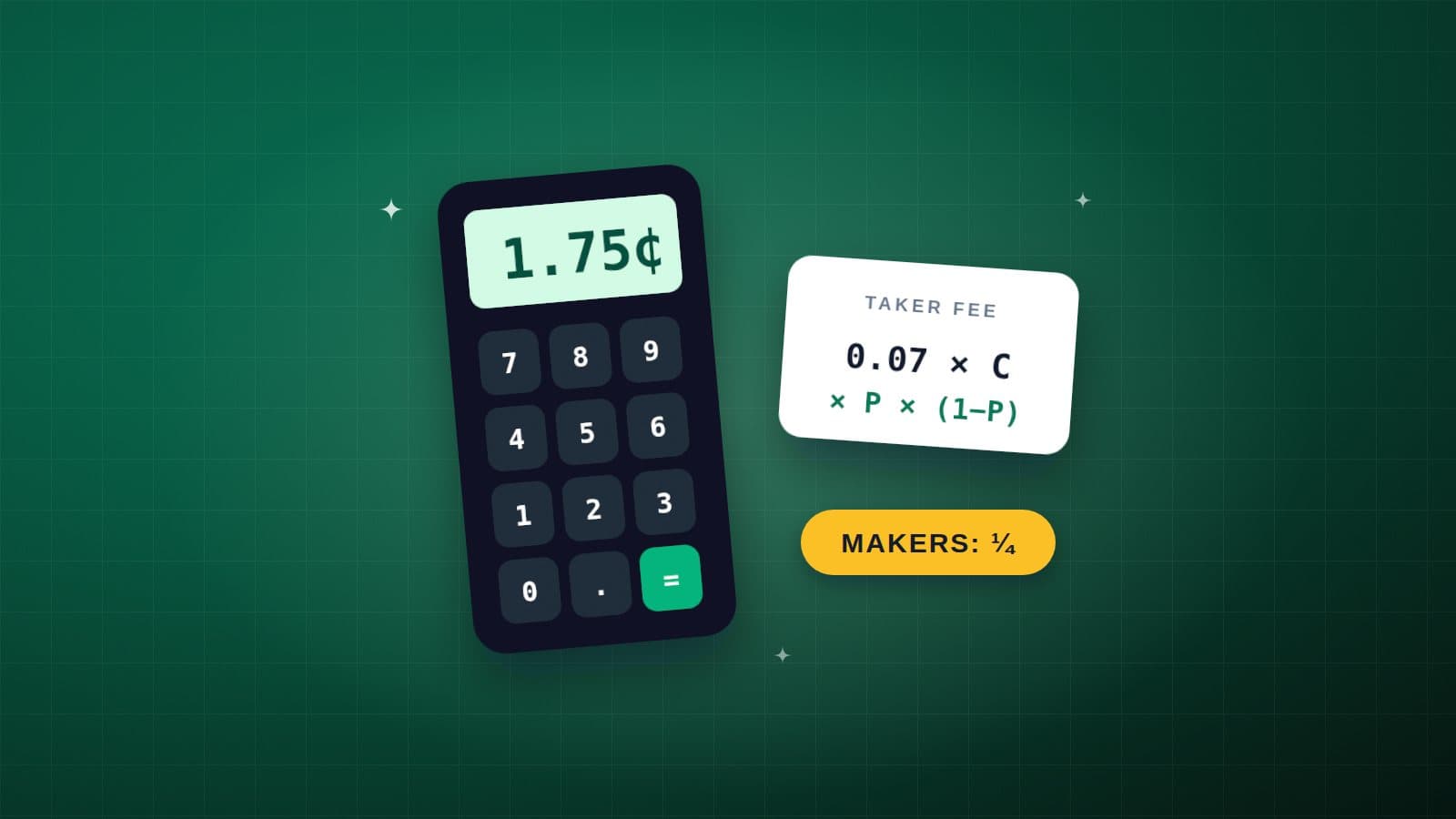
- Taker fees. Most categories now charge takers a fee of rate × price × (1 − price) per share, with the highest rate on crypto markets and no fee on geopolitics and world events. Makers pay nothing and receive rebates.
- The US exchange has its own fee schedule.
- Data and partnerships. Polymarket licenses its odds to media and data partners.
The full breakdown, with Kalshi side by side, is in Polymarket fees vs Kalshi fees.
Who owns Polymarket?
Polymarket was founded in 2020 by Shayne Coplan and is a private, venture-backed company. It is not publicly traded.
How Polymarket works: frequently asked questions
Do you need crypto to use Polymarket?
Not on Polymarket US, which takes dollars. The global site runs on pUSD, a USDC-backed token, so you need a crypto wallet or an exchange account to fund it with USDC.
Is Polymarket a sportsbook?
No. Polymarket matches users on an order book and does not take the other side of your trade. It earns trading fees.
What happens if a market is disputed?
Each market's rules name the resolution source. On the global site, disputed outcomes go through a resolution process before payouts; on Polymarket US the exchange's rules apply.
Can I lose more than I put in?
No. The most you can lose on a share is what you paid for it.