Is Kalshi legit? An honest Kalshi review (2026)
Kalshi is a CFTC-regulated US exchange, not a sportsbook or a scam. Here is what that protects, what it does not, and the real risks to know before you deposit.

In this article
Short answer: yes, Kalshi is a legitimate, regulated exchange. It is a designated contract market overseen by the US Commodity Futures Trading Commission (CFTC), the same federal regulator that supervises futures exchanges. It pays out winning contracts, verifies its users' identity and holds customer funds under federal rules.
"Legit" is not the same as "risk-free", though. This review covers what the regulation means, how Kalshi handles your money, and the things that actually go wrong for users.
Who runs Kalshi
Kalshi was founded in 2018 by Tarek Mansour and Luana Lopes Lara and received CFTC approval as an exchange in 2020, after a two-year review. It is backed by well-known venture investors and is a private company: there is no Kalshi stock you can buy on a public exchange. More on its founders, investors and valuation in who owns Kalshi.
What CFTC regulation protects
- Segregated customer funds. Exchange rules require customer money to be held separately from the company's own operating funds.
- Identity checks. You must be 18 or older and pass KYC (name, address, ID) before you can trade or withdraw.
- Market rules on file. Every contract has published rules that say exactly what decides the outcome and when it settles.
- Surveillance. The exchange has to monitor for manipulation and insider trading.
Does Kalshi actually pay out?
Yes. When a market resolves, every winning contract settles at $1 and the money lands in your Kalshi balance; losing contracts settle at $0. You can then withdraw to your bank. Withdrawals go through the same identity checks as sign-up, so a first withdrawal can take longer if your account is not fully verified.
How payouts and fees work in detail is in how does Kalshi work.
Is Kalshi gambling?
Legally, Kalshi's position is that its contracts are federally regulated derivatives (event contracts), not bets. For most markets, such as economics, weather and politics, that is settled. For sports contracts it is disputed: a number of states say they are unlicensed sports betting, and federal appeals courts have reached different conclusions. See is Kalshi legal in your state.
In practice, trading Kalshi feels like trading a market: you buy and sell contracts with other users, you can exit before the result, and Kalshi earns fees rather than winning when you lose.
The real risks (and common complaints)
- You can lose your stake. A contract bought at 70¢ goes to $0 if the outcome does not happen. Size positions so a loss does not hurt.
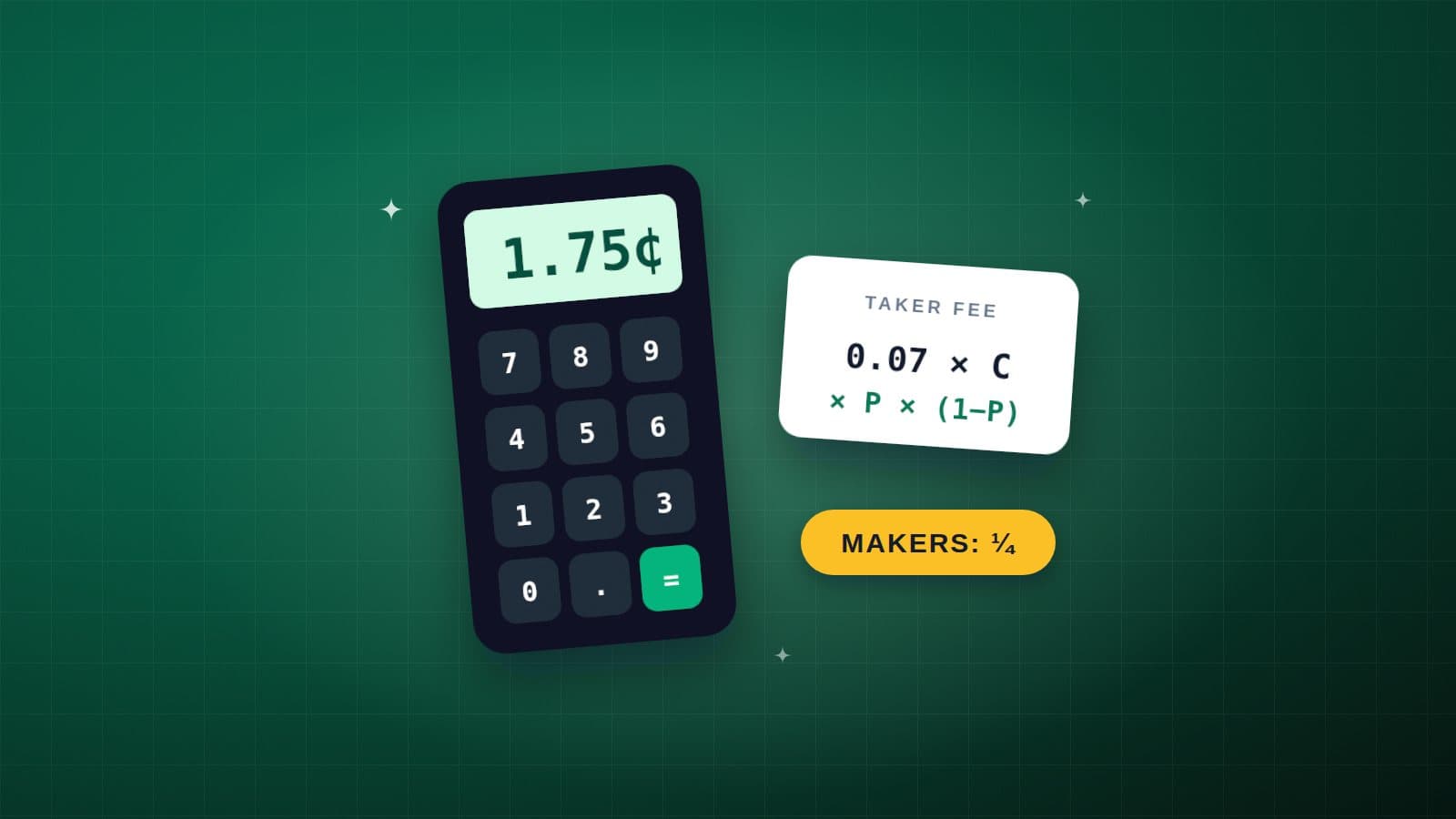
- Fees on cheap and expensive contracts. Fees are highest near 50¢, but on small trades the round-up to the next cent can be a big share of the trade. See Polymarket fees vs Kalshi fees.
- Thin markets. Niche markets can have wide spreads; a market order may fill at a worse price than you expect. Use limit orders.
- Resolution rules. Most disputes come from users not reading the rules: which source decides, what time the market closes, what counts. Read them before you trade.
- Parlays. Combos look cheap and pay big, but most legs-heavy combos lose. See parlays on Kalshi and Polymarket.
- State restrictions. Some sports markets may be unavailable where you live.
Kalshi review: pros and cons
Pros
- Federally regulated, US dollars in and out
- Wide range of economics, weather, politics and sports markets
- Clear contract rules and fast settlement on official data
Cons
- Taker fees on every trade (highest around 50¢)
- Sports contracts tied up in state litigation
- Some markets are thin outside the big events
Verdict
Kalshi is a real, regulated exchange that pays out. The risks are the normal risks of trading: losing positions, fees and thin markets. Not fraud. If you are choosing between platforms, our Kalshi vs Polymarket comparison covers the trade-offs.
Is Kalshi legit? Frequently asked questions
Is Kalshi a scam?
No. Kalshi is a CFTC-regulated exchange that has operated since 2020, verifies its users and pays out winning contracts. Scams usually promise guaranteed returns; on Kalshi you can and will lose some trades.
Is Kalshi safe to deposit money on?
Customer funds are held under exchange rules that keep them separate from Kalshi's own money, and accounts are protected by identity checks. As with any account, use a strong password and two-factor authentication.
Is my money insured?
Segregated funds are not the same as a bank deposit insured by the FDIC. Keep only what you plan to trade on any exchange.
What do Kalshi reviews complain about?
Mostly fees on small trades, slow first withdrawals before verification is complete, markets resolving in a way traders did not expect after skipping the rules, and sports markets unavailable in some states.
Is Kalshi publicly traded?
No. Kalshi is a private, venture-backed company.
Keep reading
- Kalshi review 2026: fees, app, payouts and verdict
- Who owns Kalshi? Founders and valuation
- Is Kalshi gambling?
- Kalshi and Polymarket withdrawals
- Does Kalshi have a sign-up bonus?
- How do prediction markets work?
- Is Polymarket legal in the US?
- Live Kalshi and Polymarket odds on our markets page
- How old do you have to be to use Kalshi?
- How does Kalshi make money?
- Kalshi app review
- The best prediction markets in 2026, ranked
- Insider trading on Kalshi and Polymarket: the cases and the rules
- News: the CFTC probes Iran oil trades and election bets